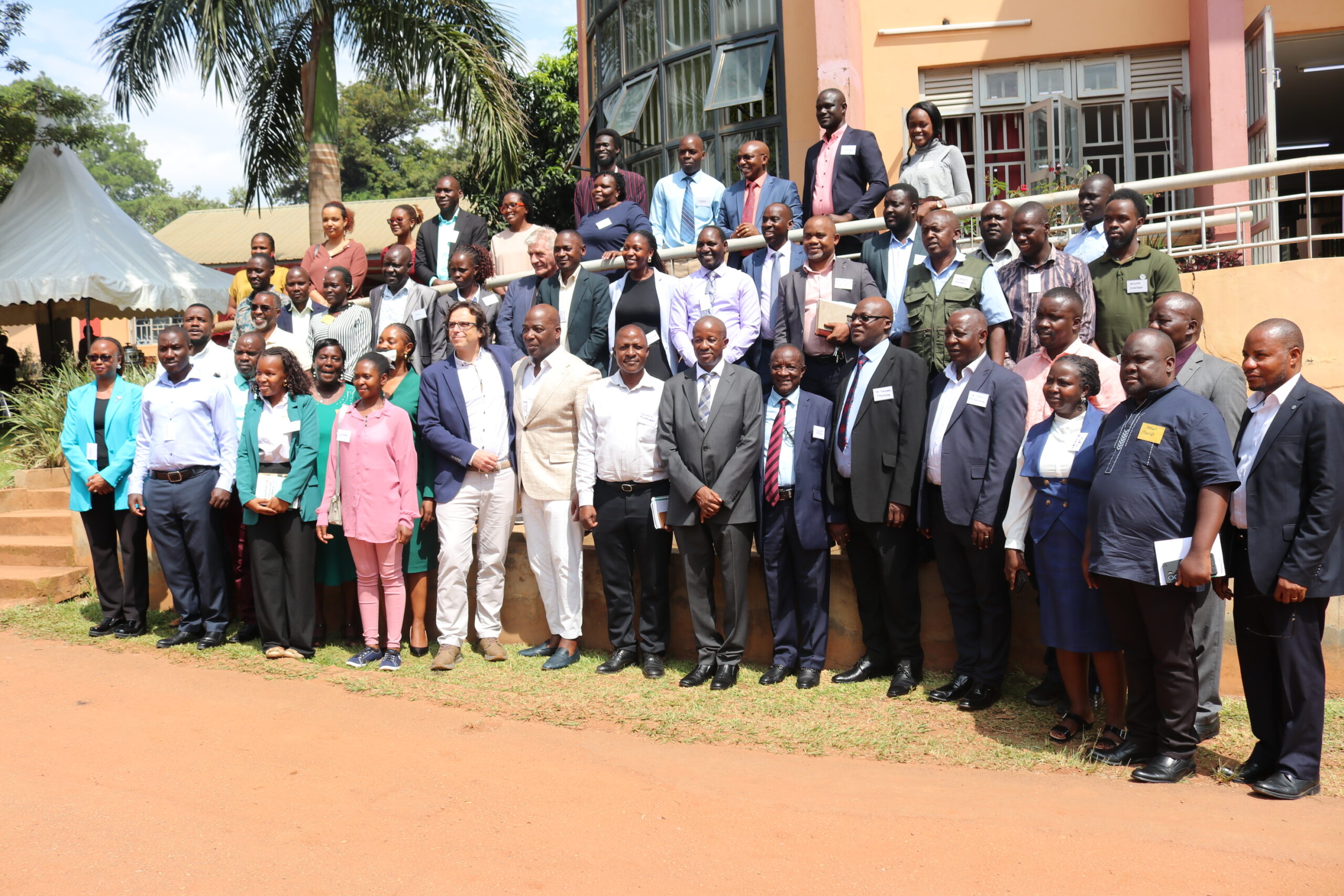
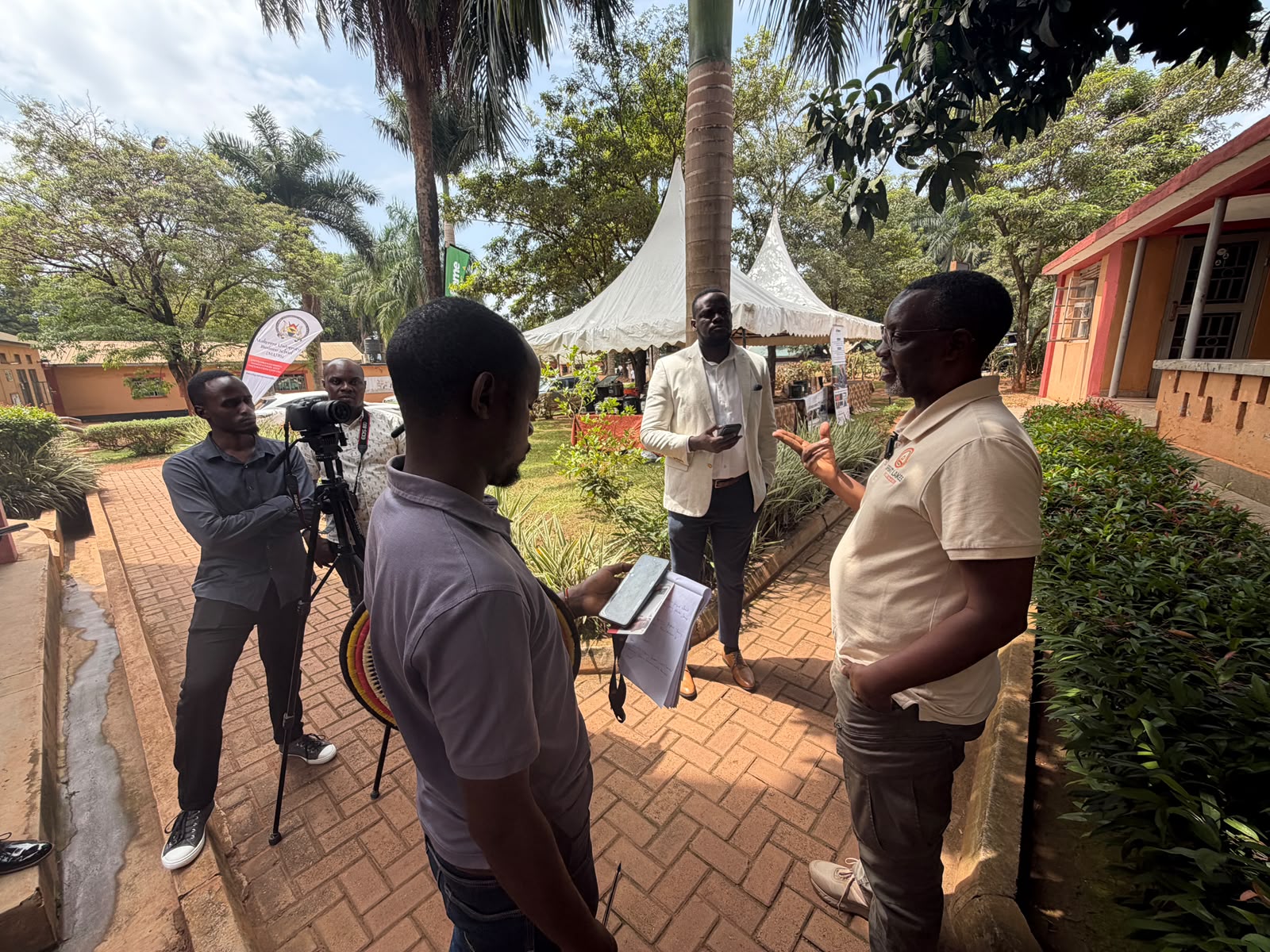
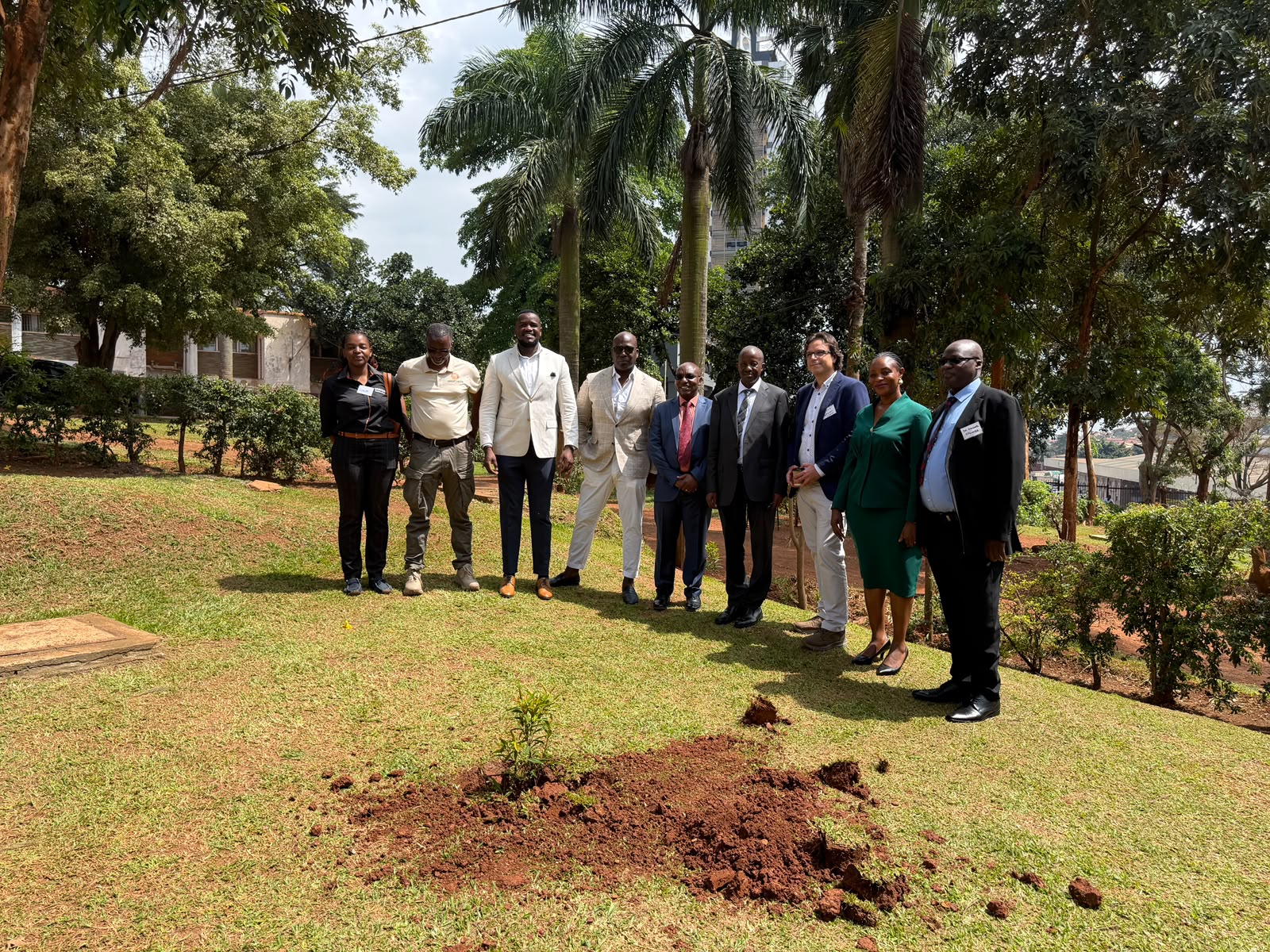
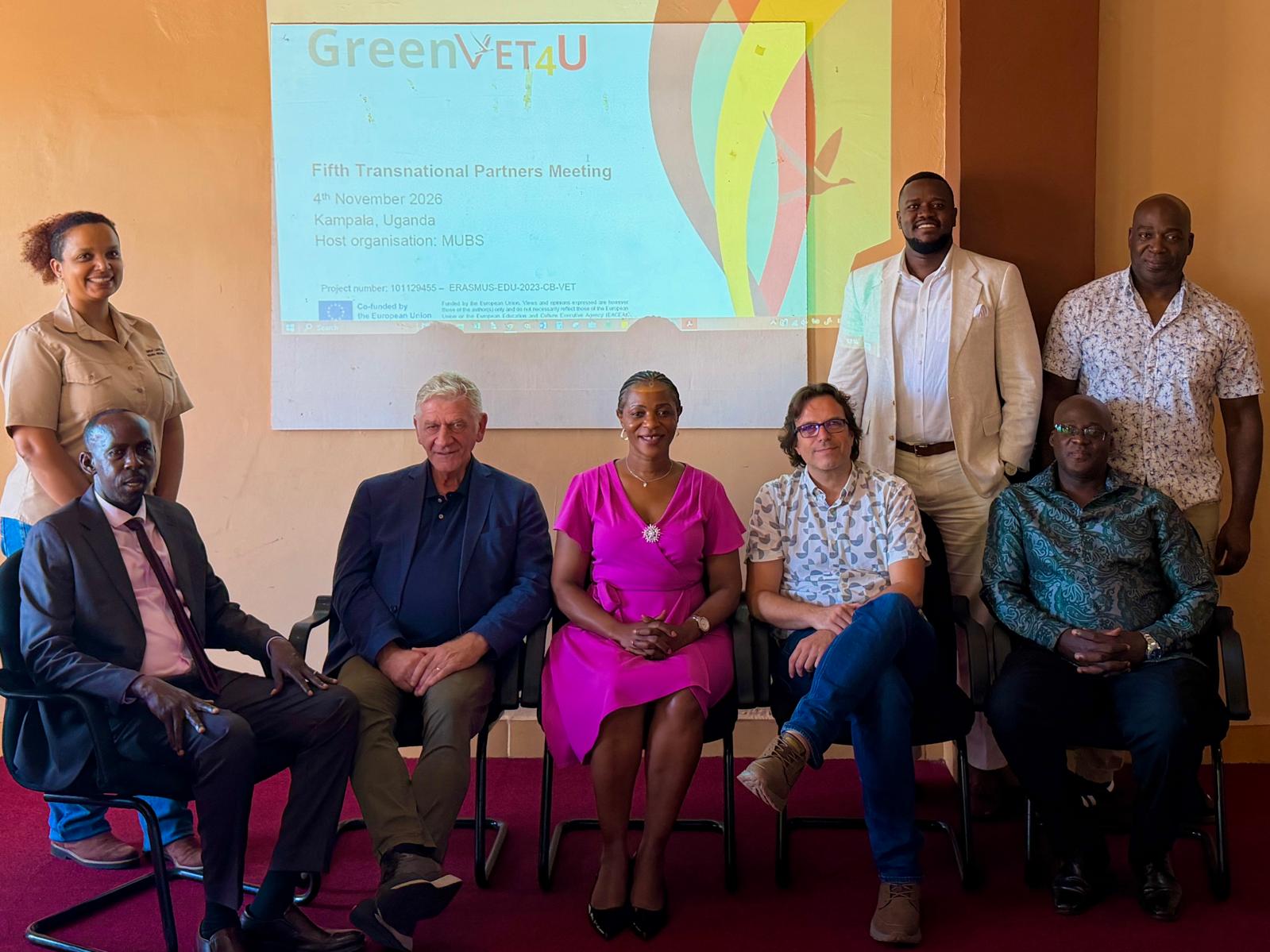
GreenVET4U brought its partnership together in Kampala, Uganda, on 4 and 5 November 2026 for two key events: the final Transnational Project Meeting (TPM5) and the International Final Conference. These activities marked an important milestone in the project, providing an opportunity to review its achievements, share results with stakeholders and look ahead to their continued use beyond the project’s funding period.
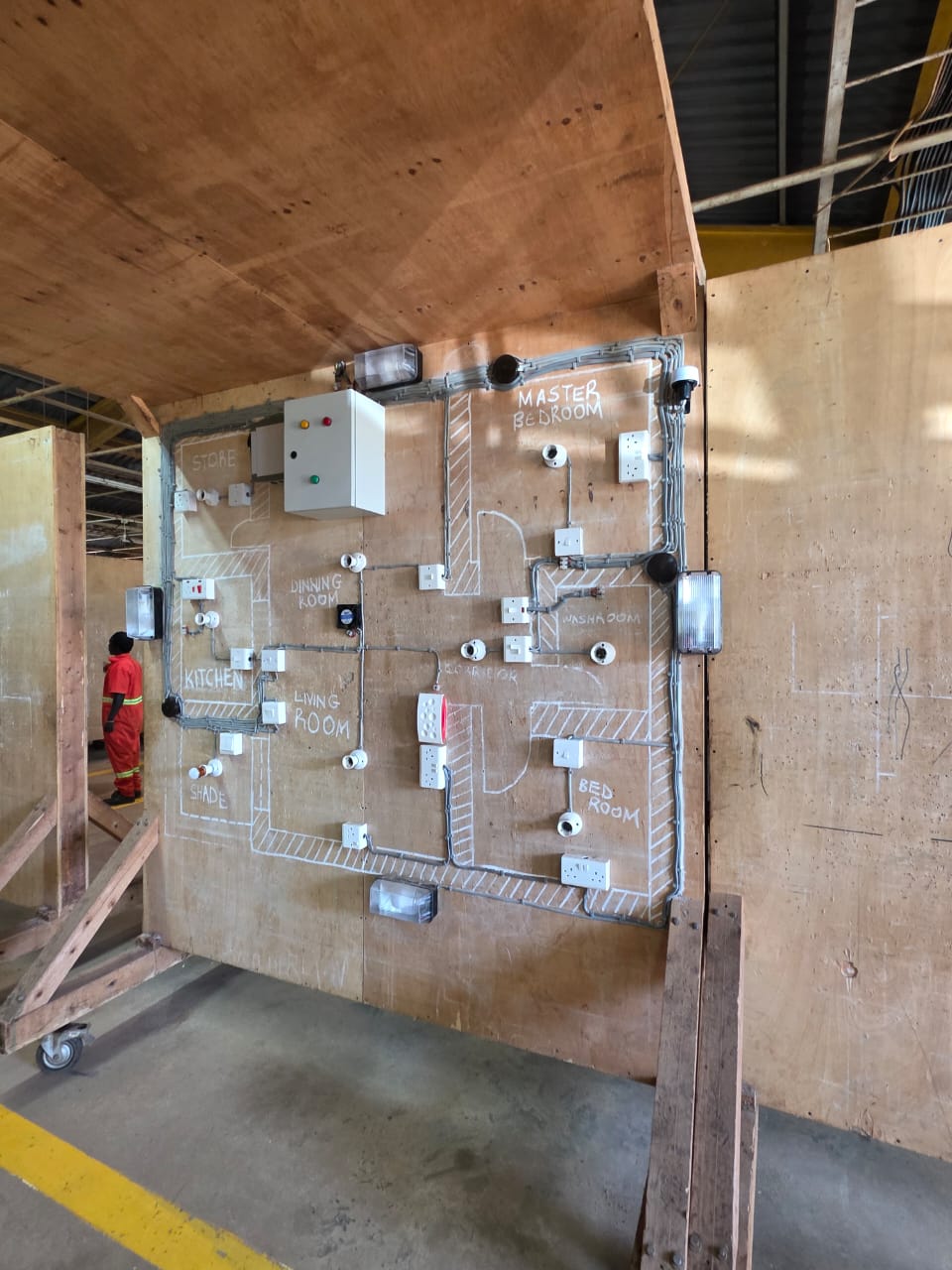
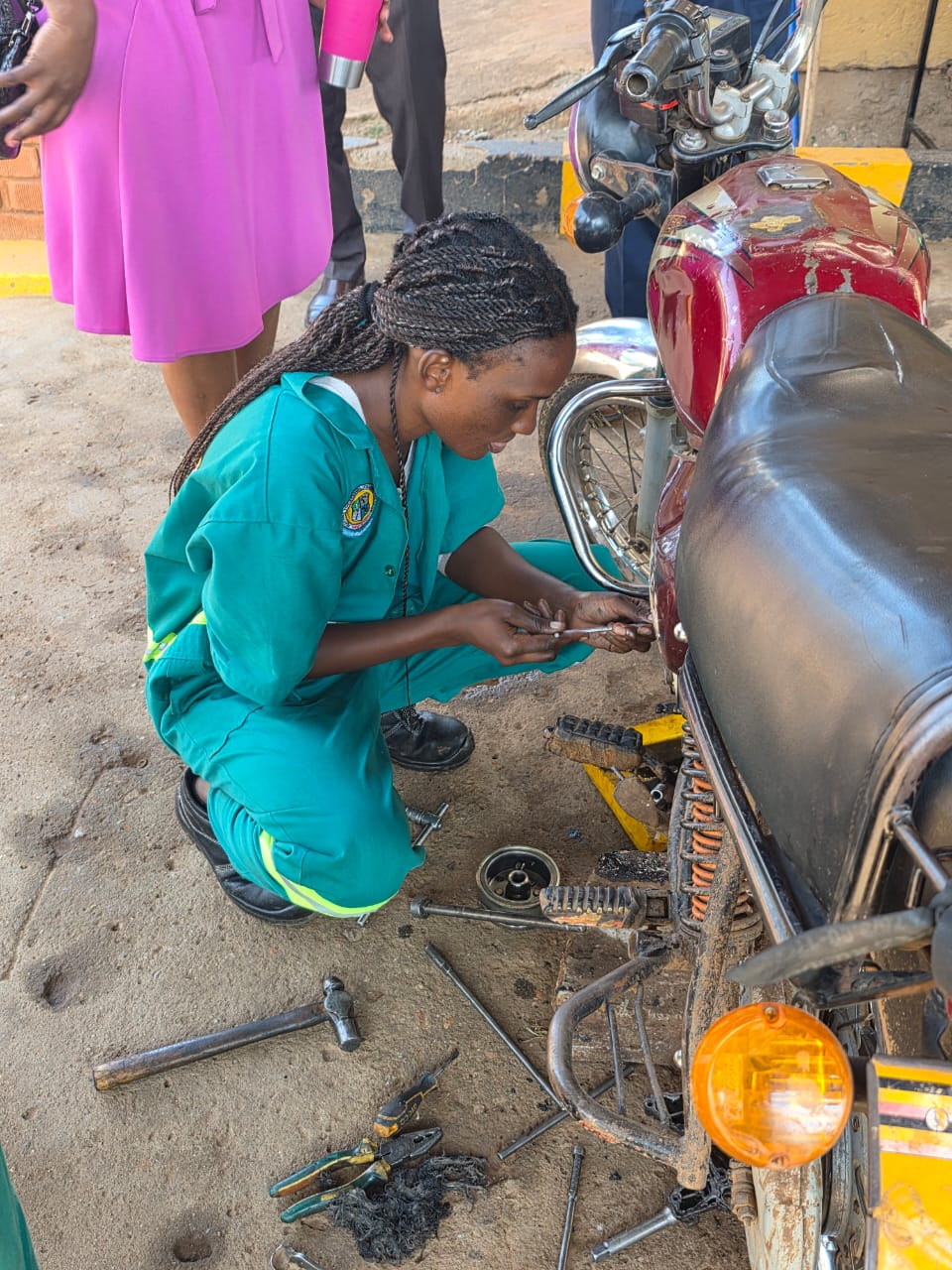
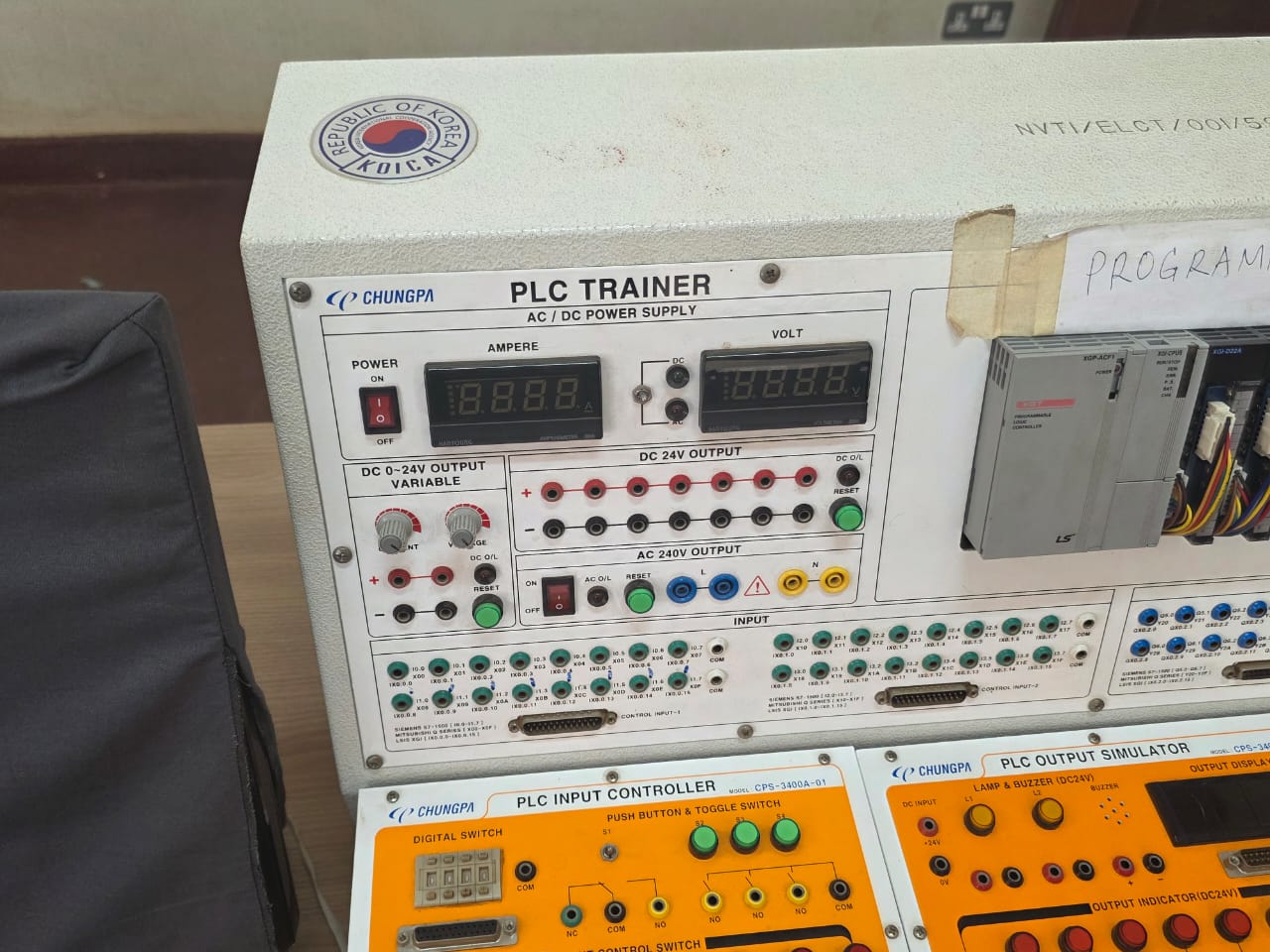
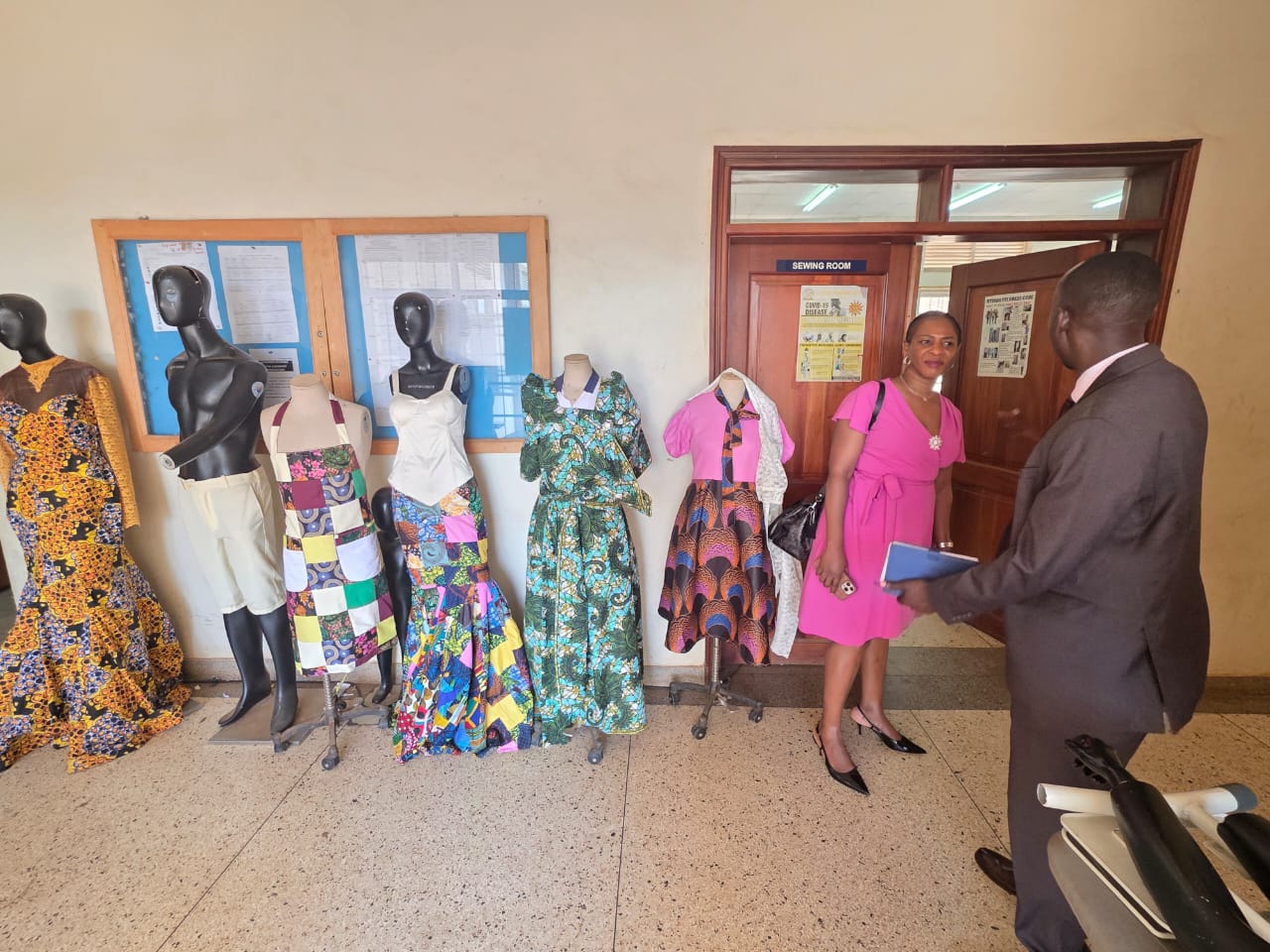
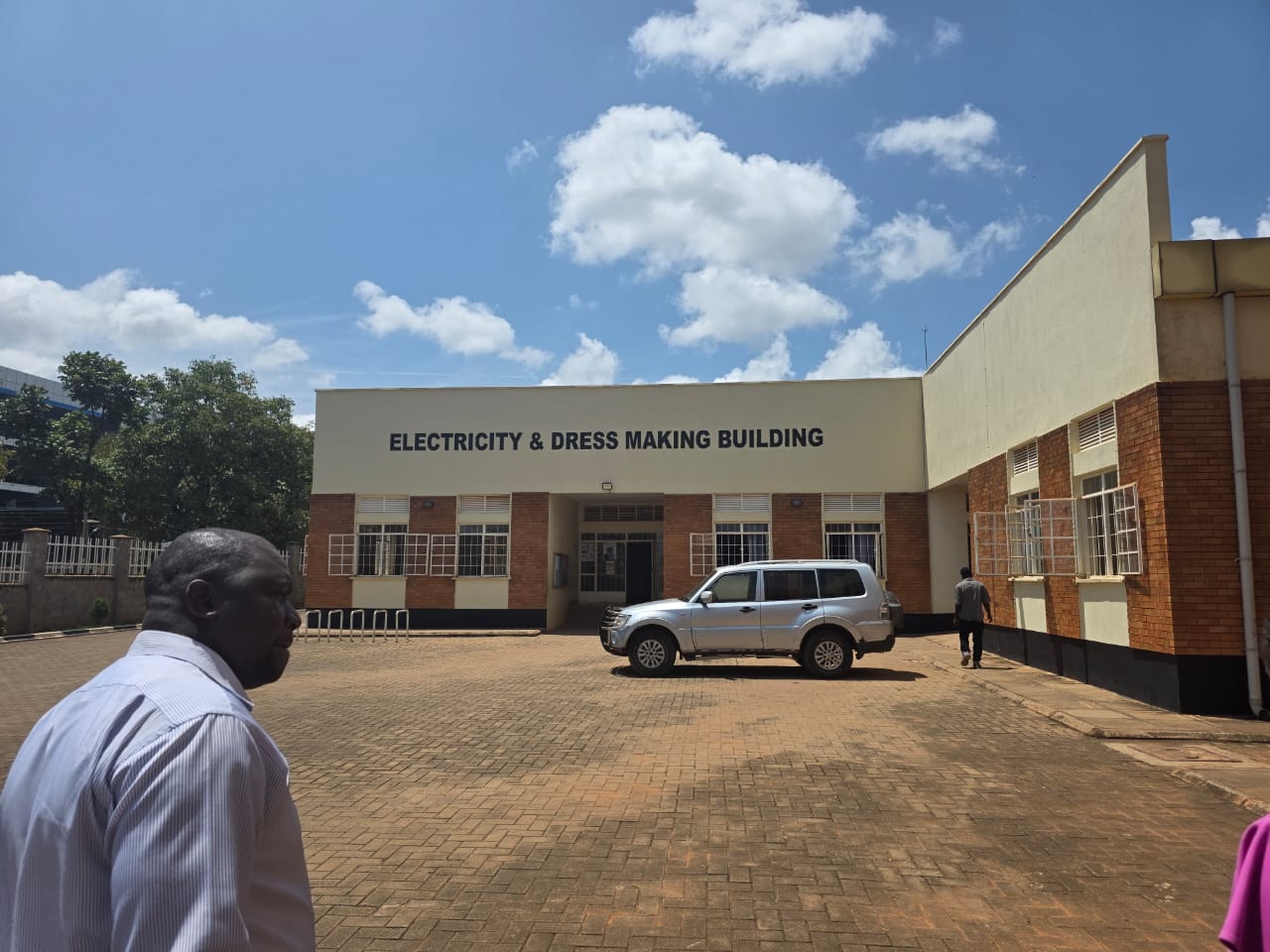
The programme on 4 November combined visits to two Technical and Vocational Education and Training institutions, Nakawa Vocational Institute and Ntinda Vocational Institute, with the consortium’s final meeting. During the visits, partners toured the training facilities, met instructors and trainees, and learned about the integration of green skills into vocational training. These exchanges offered a valuable opportunity to connect the project’s work with the realities of TVET in Uganda.
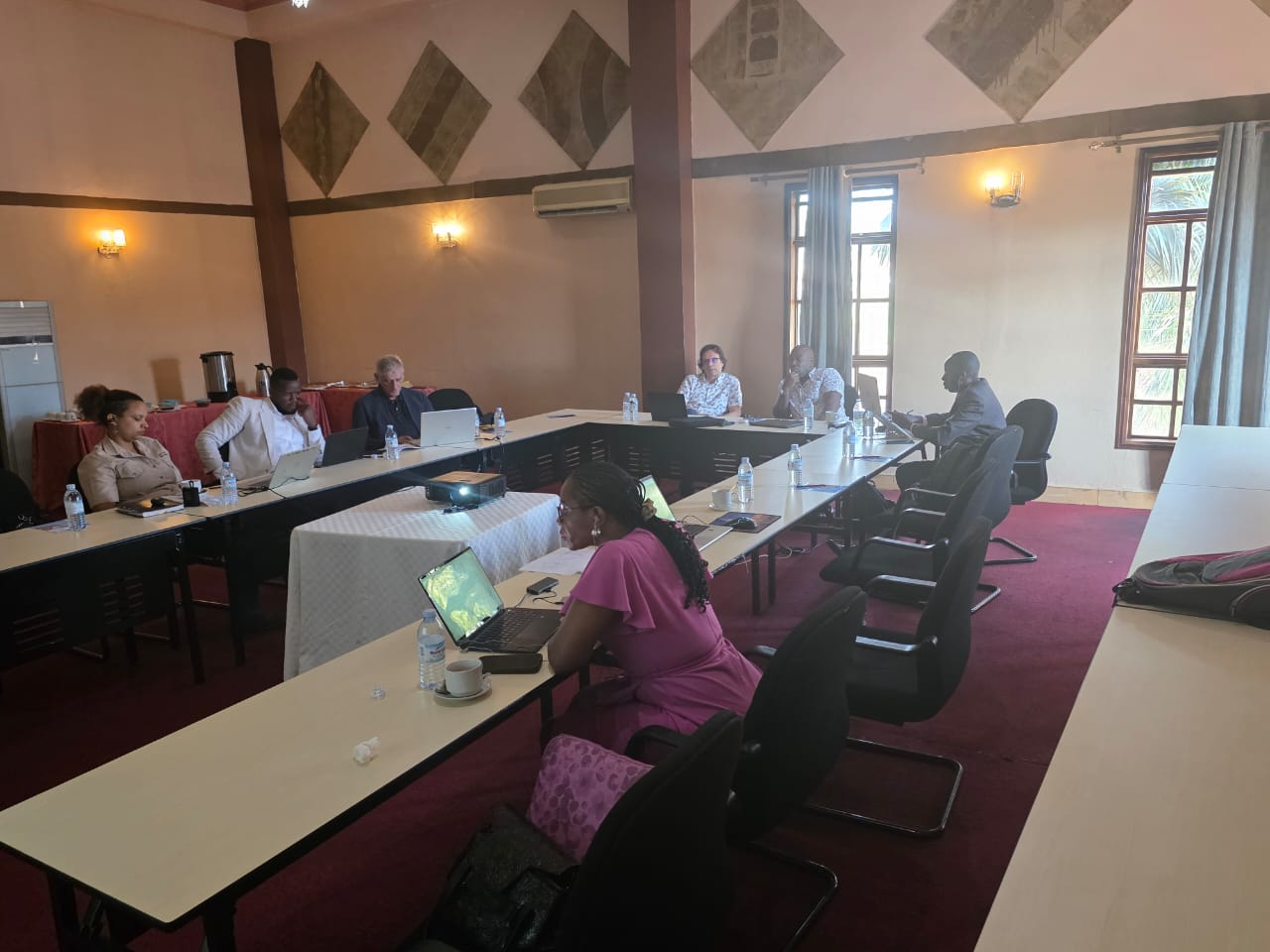
In the afternoon, partners reviewed the results achieved during the testing phase, carried out the final project evaluation and addressed pending tasks.
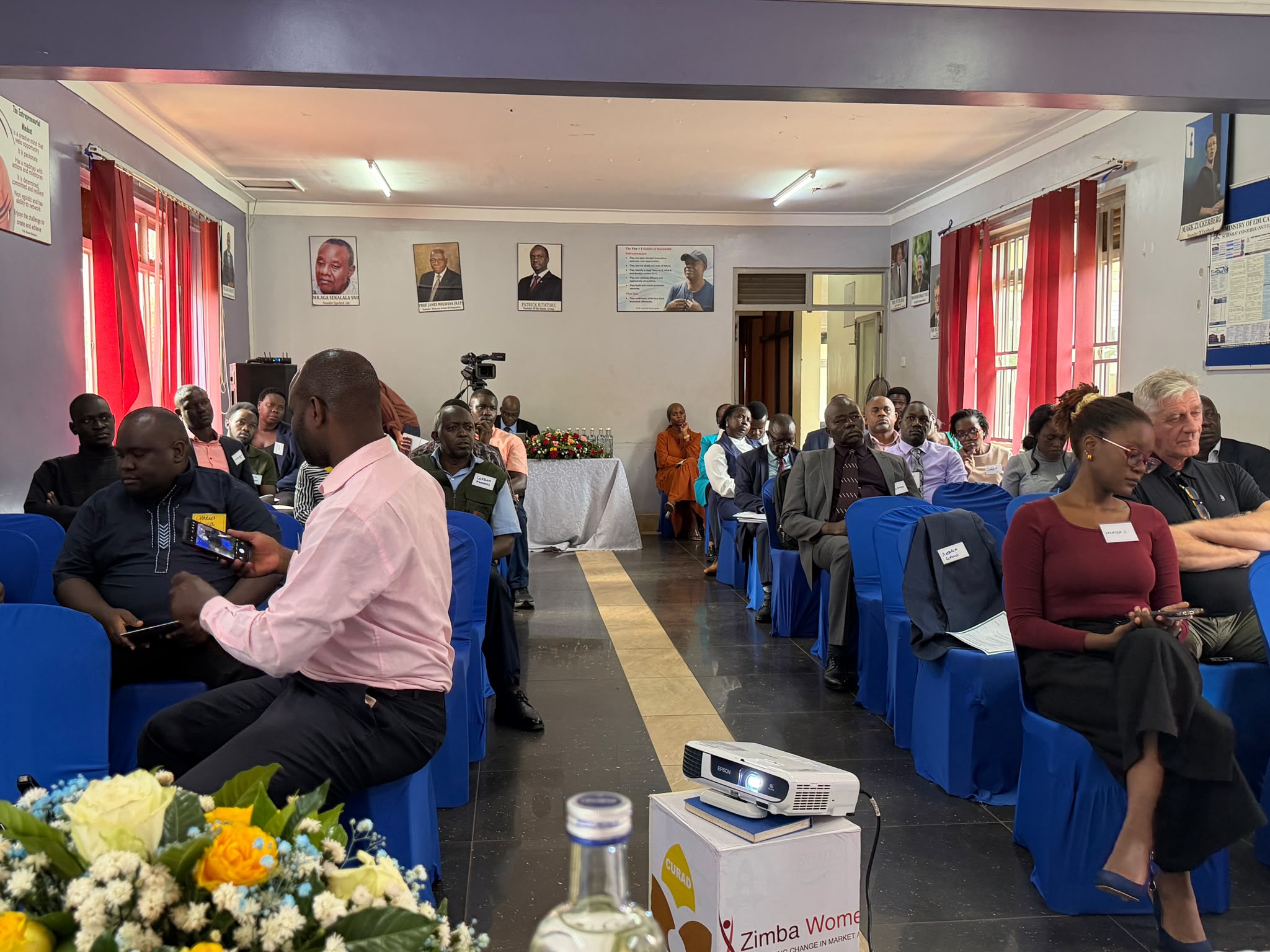
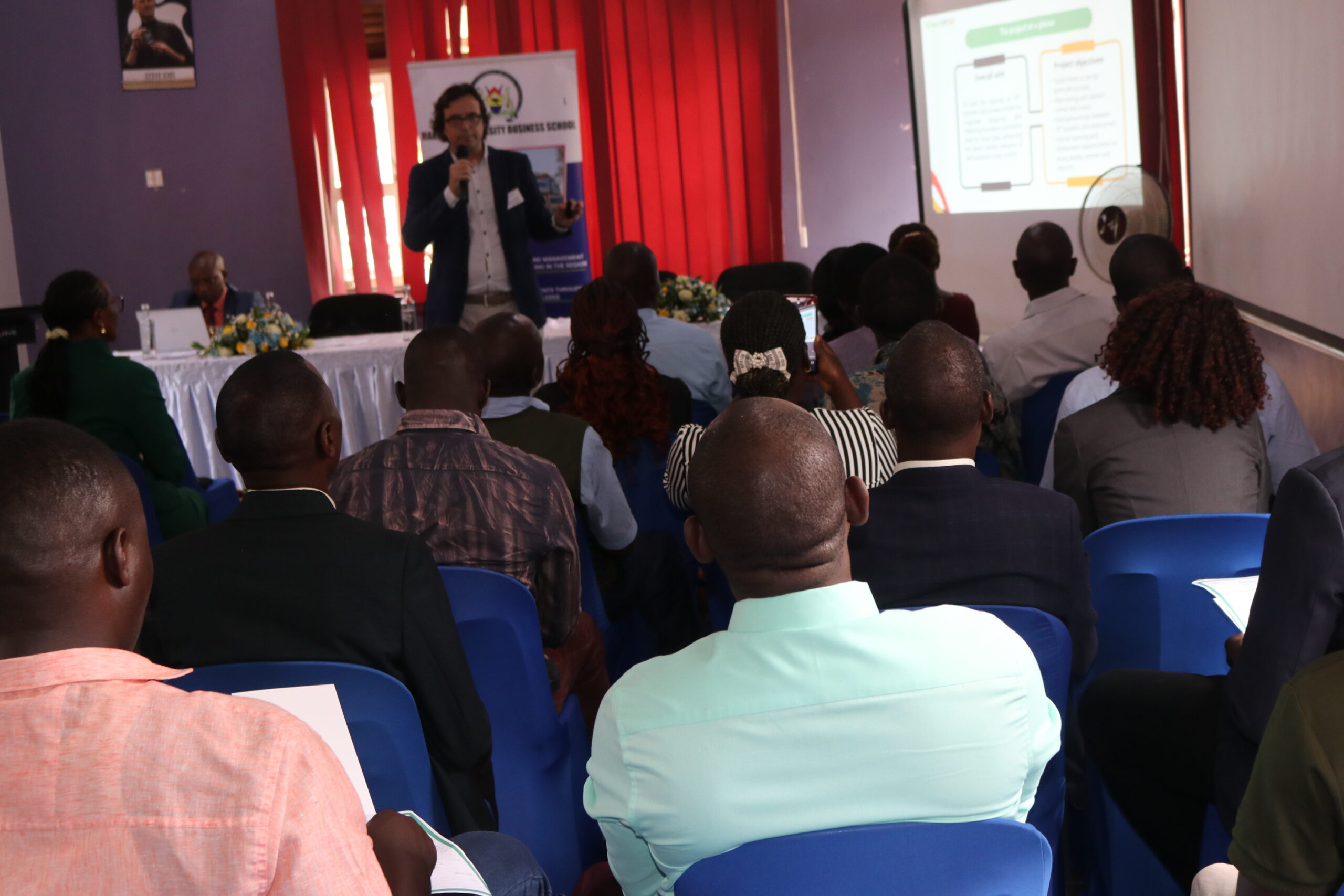
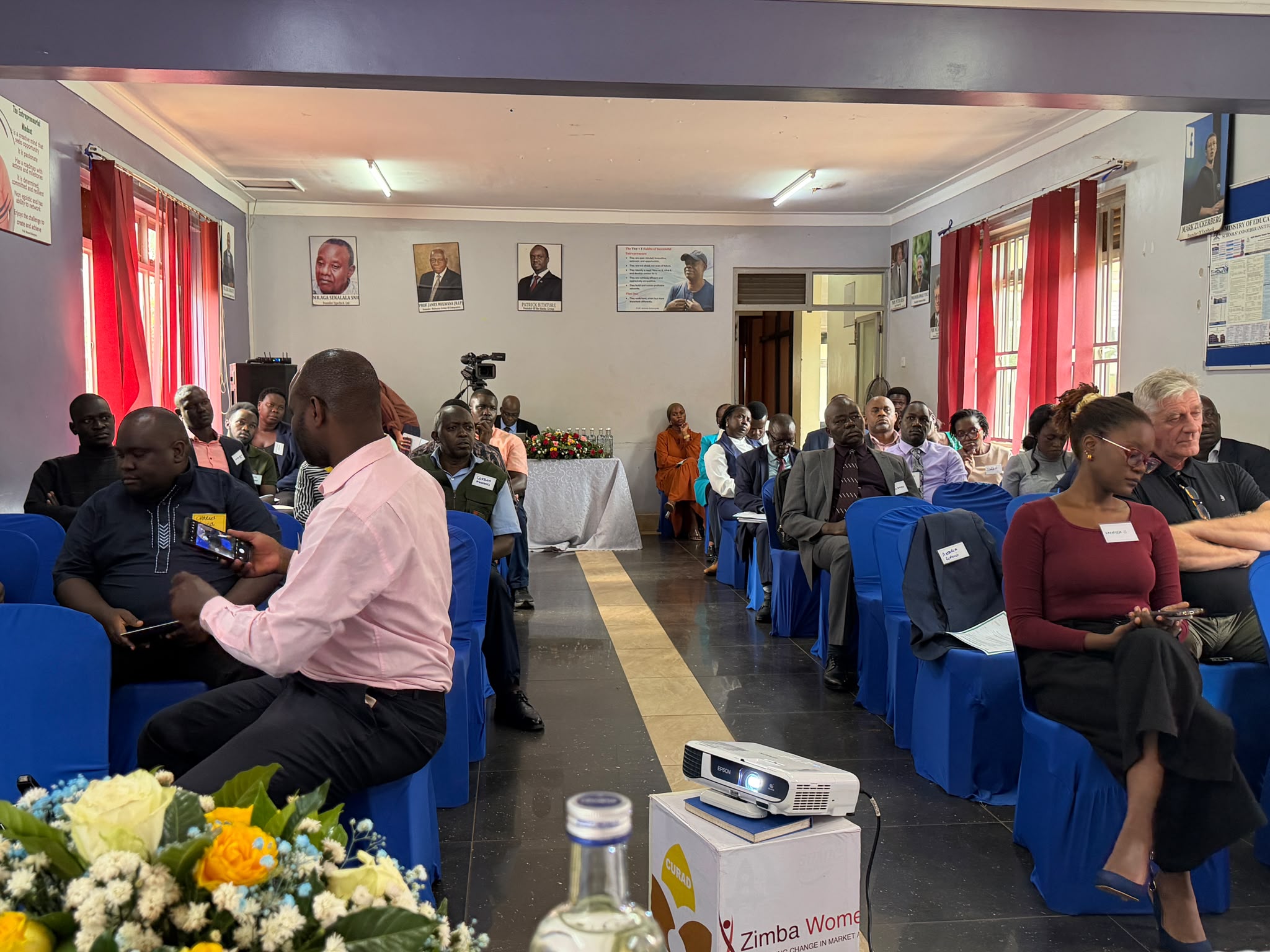
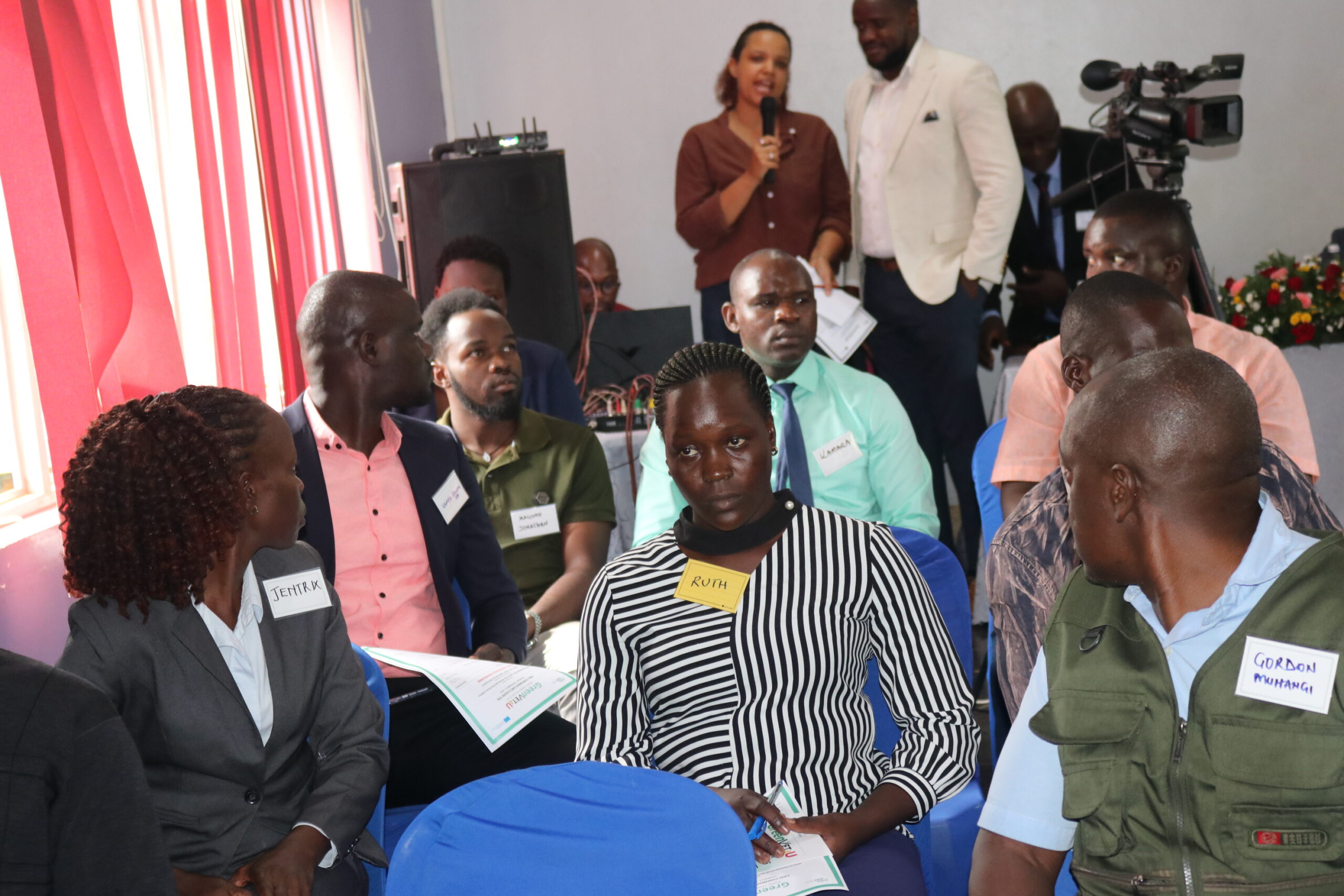
On 5 November, the International Final Conference took place at the MUBS Entrepreneurship, Innovation and Incubation Centre in Kampala. The event brought together representatives from public institutions, VET providers, businesses and other stakeholders to present the project’s achievements and discuss the skills needed to support green jobs in Uganda.
INFODEF presented the main project results, including the Competence Matrix, the Strategy for VET Curricula Development and Work-Based Learning Provision, the Online Platform and e-learning courses, and the Competence Assessment WebApp and its micro-credentials-based validation approach.
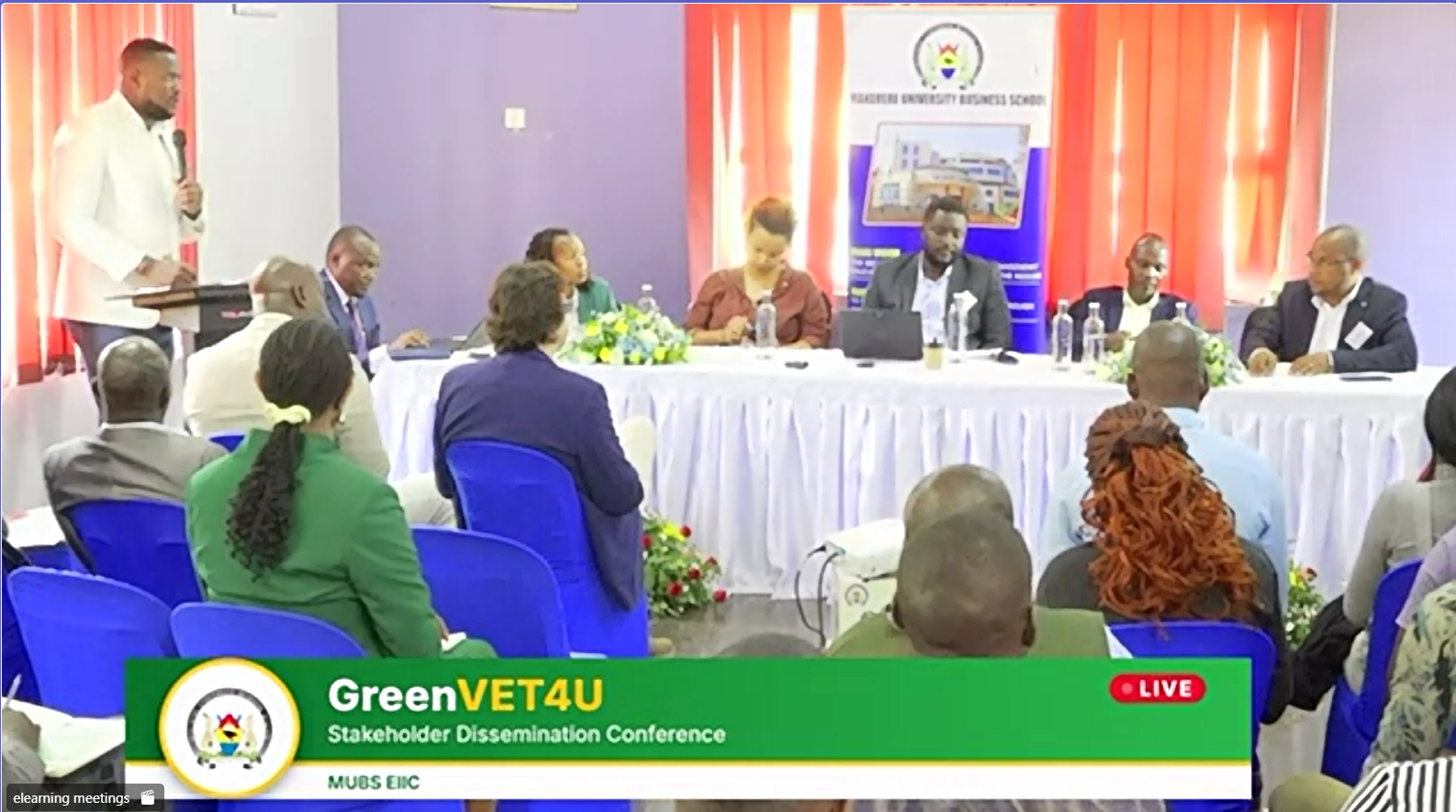
The programme also featured a panel discussion entitled “Skills for Green Jobs – From Policy to Practice”, with contributions from representatives of the Ministry of Gender, Labour and Social Development (MGLSD), Kampala Capital City Authority (KCCA), waste management companies, eco-tourism operators and training institutions. The discussion explored the connections between national policy, sectoral skills needs, training provision and employment opportunities in the green economy.
The conference was also streamed online, enabling interested participants and stakeholders from different parts of the world to follow the presentations and discussion remotely.
As GreenVET4U reaches the end of its implementation period, the focus turns to ensuring that its results continue to be accessible, used and adapted by VET providers, businesses and other relevant organisations. The discussions held in Kampala reaffirmed the importance of cooperation between Ugandan and European partners and of building on the tools, resources and networks developed through the project to support skills development for green jobs in Uganda.